
Commercial Plywood and Poplar Plywood: High-Quality Wood Solutions in China
By:Admin
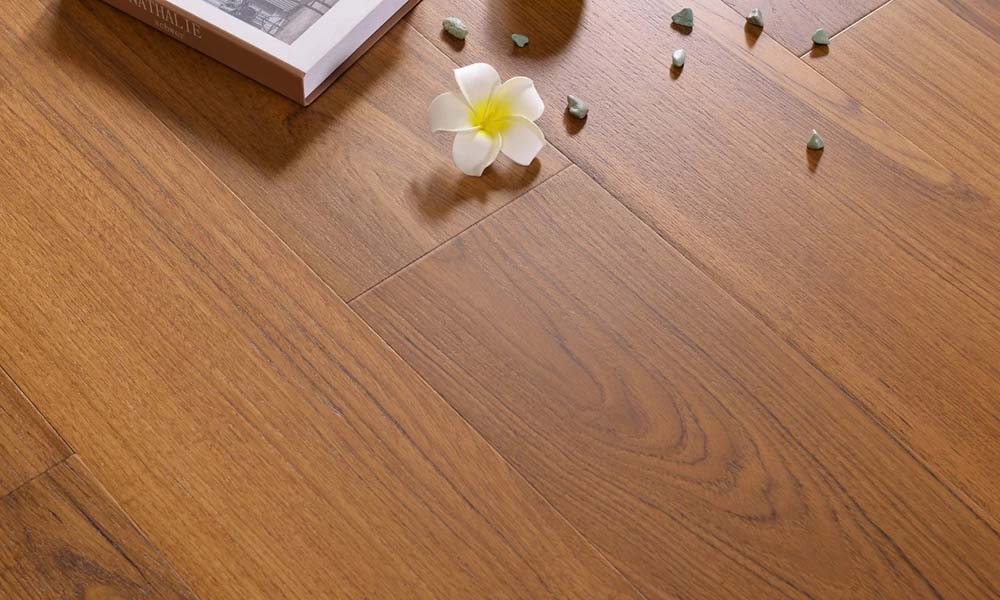
In recent years, China’s commercial plywood and poplar plywood sectors have experienced significant growth, driven by expanding construction activities, increasing furniture manufacturing, and rising consumer demand for high-quality wood products. As one of the world’s largest producers and exporters of plywood, China continues to enhance its production capabilities and improve product quality to meet both domestic and international market needs.
**Market Overview**
Commercial plywood and poplar plywood are two of the most widely used types of engineered wood products in China. Commercial plywood, known for its strength and durability, is extensively utilized in construction, interior decoration, and furniture making. Meanwhile, poplar plywood, appreciated for its light weight, smooth surface, and versatility, finds its applications in furniture, packaging, and decorative industries.
The domestic demand for plywood products is fueled by the booming real estate sector, increasing urbanization, and the growing middle class. Additionally, export markets, particularly in Southeast Asia, Europe, and North America, remain strong due to competitive pricing and improving product standards.
**Production Trends and Innovations**
China's plywood manufacturers have been adopting advanced technologies and sustainable practices to increase efficiency and minimize environmental impacts. Modern pressing techniques, improved adhesives, and precision cutting have enabled producers to create plywood with enhanced strength, water resistance, and aesthetic appeal.
Poplar plywood production has also benefited from research into optimized veneer layering and eco-friendly treatments, resulting in products that satisfy stringent international certification requirements. This commitment to quality and sustainability has helped Chinese plywood gain greater acceptance in global markets.
**Company Introduction**
One prominent Chinese plywood manufacturer has played a pivotal role in these industry developments. Founded with a vision to supply superior plywood solutions, the company has grown from a local enterprise to a significant player in the national plywood industry. Equipped with state-of-the-art machinery and a skilled workforce, they specialize in producing both commercial plywood and poplar plywood tailored to diverse client specifications.
The company emphasizes quality control, from sourcing raw materials to final product inspection, ensuring compliance with ISO standards and other quality certifications. Their product range includes various plywood grades suitable for construction, furniture manufacturing, and decorative applications.
In addition to production excellence, the company prioritizes customer service, providing technical support and customized solutions to meet unique market requirements. Their robust distribution network spans major Chinese provinces and extends to key export destinations, fostering strong relationships with buyers worldwide.
**Sustainability and Environmental Commitment**
Environmental sustainability has become a cornerstone for Chinese plywood producers amid global concerns about deforestation and carbon emissions. The industry has increasingly turned to certified wood sources, plantation forests, and recycled materials to reduce environmental footprints.
The highlighted manufacturing company has adopted green practices, including waste management systems, energy-efficient production processes, and low-emission adhesives. These initiatives align with China’s national policies promoting green manufacturing and resource conservation.
**Challenges and Opportunities**
Despite robust growth, China’s commercial and poplar plywood sectors face challenges such as fluctuating raw material prices, increasing labor costs, and stricter environmental regulations. Additionally, international trade tensions and tariff changes can impact export volumes.
However, opportunities abound with the rising demand for eco-friendly building materials and innovative plywood products. Investment in research and development, combined with expanding e-commerce platforms for B2B and B2C sales, presents new avenues for growth.
**Conclusion**
China’s commercial plywood and poplar plywood industries continue to thrive by balancing traditional manufacturing strengths with innovation and sustainability. Companies committed to quality, environmental responsibility, and customer-centric approaches are well-positioned to capture expanding market opportunities both domestically and globally.
With ongoing urban development and a global shift toward sustainable materials, the outlook for China’s plywood sector remains promising. As manufacturers enhance product diversity and adapt to evolving market dynamics, they contribute significantly to the construction and furniture industries, driving economic growth and supporting sustainable development goals.