Latest Updates on Marine Board and Melamine Plywood Industry Developments

By:Admin on 2026-05-18 01:43:36

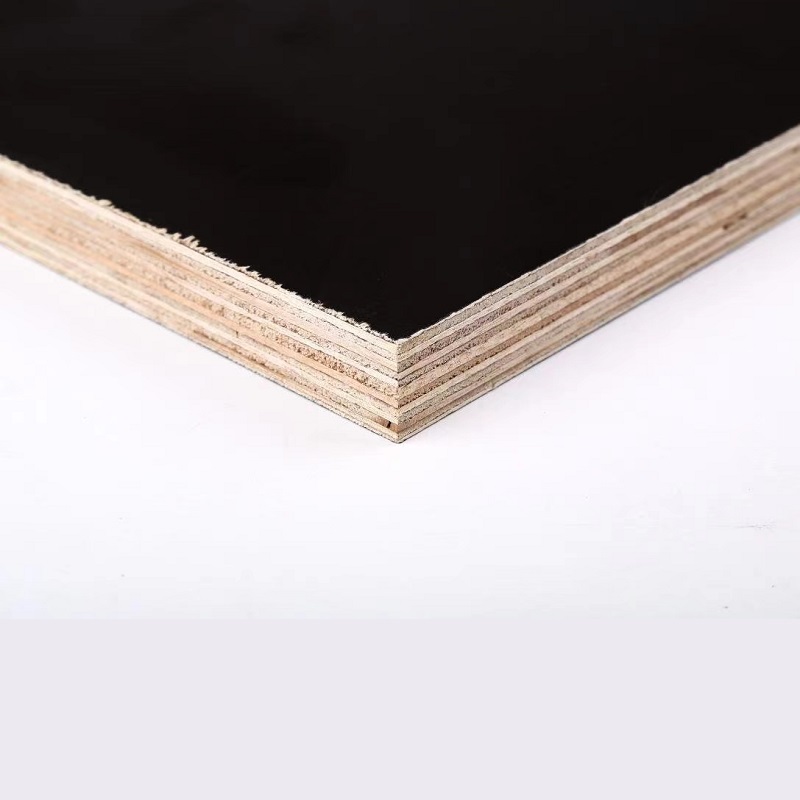
**China Marine Board and Melamine Plywood Industry Poised for Strategic Growth**In a significant development within the marine and plywood sectors, recent reports highlight the increasing synergy between China’s marine board manufacturers and the melamine plywood industry. This trend is indicative of broader shifts in material innovation and market demand, driving both industries toward enhanced collaboration and sustainable expansion.China's marine board sector has experienced substantial growth in recent years, buoyed by rising infrastructure investments and the expanding shipbuilding industry. Marine boards, known for their superior water resistance and structural integrity, are indispensable in applications ranging from marine vessel construction to outdoor furniture manufacturing. Meanwhile, melamine plywood, prized for its durability, aesthetic finish, and resistance to scratches and moisture, continues to be a favored material in interior design, cabinetry, and commercial furnishings.**Industry Dynamics and Market Drivers**According to market analysts, the convergence of marine board qualities with the versatile melamine plywood has presented new opportunities for product development. Companies within the plywood sector are increasingly integrating marine-grade core materials to enhance product performance under harsh environmental conditions. This hybrid approach not only leverages the strengths of both materials but also meets evolving consumer demands for long-lasting, eco-friendly, and cost-effective solutions.Key factors propelling this trend include the rising preference for environmentally sustainable products, government regulations promoting the use of non-toxic adhesives and resins, and innovations in coating technologies that improve melamine plywood’s resilience. Additionally, the growth of urbanization in China, resulting in increased demand for housing and commercial spaces, has stimulated the need for high-quality construction materials.**Company Insights**Industry participants have expressed optimism about this trajectory. A representative of a leading marine board manufacturer noted that “the fusion of marine-grade durability with the decorative appeal of melamine plywood opens new frontiers for both industries. This integration not only improves product life cycles but also aligns with green manufacturing practices, a core focus for modern enterprises.”Similarly, plywood producers are investing heavily in research and development to optimize the melamine surface finish and enhance bonding technologies that comply with strict environmental standards. The improvement in formaldehyde emission controls and the use of sustainable timber sources reflects the industry’s commitment to responsible manufacturing.**Technological Innovations**Emerging technologies have also played a pivotal role in shaping the future of melamine plywood and marine boards. Advanced lamination techniques and the use of high-performance resins have allowed manufacturers to produce panels that can withstand extreme moisture, UV exposure, and mechanical stresses. These advancements are particularly important for applications in marine environments, outdoor architecture, and demanding industrial uses.Moreover, digitization and automation in production processes have improved precision, reduced waste, and increased efficiency. This not only lowers production costs but also enhances product consistency and opens new possibilities for customization according to client specifications.**Sustainability and Environmental Considerations**With global emphasis on sustainability, both marine board and melamine plywood producers are aligning their operations with environmental goals. Efforts to source raw materials responsibly, such as certified timber, and the development of recyclable end-products are becoming industry standards. Additionally, companies are implementing cleaner production methods to reduce carbon footprints and minimize chemical pollutants.Environmental certifications and compliance with international quality standards have become crucial for market competitiveness, especially in export segments. As China’s manufacturing sector adopts green technologies and circular economy principles, the marine board and plywood industries are set to benefit from increased global demand for sustainable building materials.**Market Outlook**Looking ahead, the integration between marine board manufacturers and melamine plywood producers is expected to strengthen. Analysts forecast robust growth driven by infrastructure expansion, rising consumer awareness, and technological progress. The increasing use of composite products that combine the best attributes of both materials is anticipated to create new market niches and application scenarios.Furthermore, cross-industry collaborations, joint ventures, and strategic partnerships are likely to enhance innovation capacities and market reach. Companies focusing on quality and sustainability are positioned to capitalize on both domestic and international market opportunities.**Conclusion**The evolving landscape of China’s marine board and melamine plywood industries exemplifies the dynamic nature of materials science and market adaptation. Through technological innovation, environmental stewardship, and strategic collaboration, these sectors are poised to deliver high-performance, sustainable products that meet contemporary construction and design needs.This convergence represents not only a commercial advancement but also a commitment to advancing industry standards and contributing to greener, more durable infrastructure solutions. As these trends mature, stakeholders across the supply chain can anticipate a new era of material excellence and ecological responsibility.

Read More

Differences Between Film Faced Plywood and Brown Film Faced Plywood Explained

By:Admin on 2026-05-11 01:43:26

Certainly! Please provide the company introduction or any specific details you'd like included in the news article.

Read More

6.5mm Thickness Antislip Flooring for Enhanced Safety and Durability

By:Admin on 2026-05-04 01:43:32

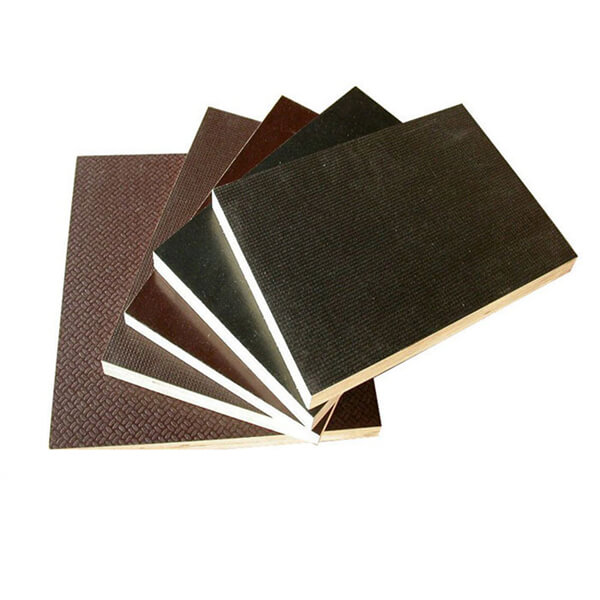
**Innovative 6.5mm Thick Antislip Material from China Set to Revolutionize Safety and Durability Standards**In recent developments within the construction and manufacturing sectors, a groundbreaking 6.5mm thickness antislip material originating from China has garnered significant attention for its superior safety features and durability. This advancement is poised to address long-standing challenges associated with surface slippage and wear, promising enhanced protection for both industrial applications and everyday usage.**An Overview of the Antislip Material**The newly developed antislip sheet boasts a substantial thickness of 6.5mm, setting it apart from conventional alternatives that often compromise on durability to maintain a thinner, flexible profile. This increased thickness contributes to an improved lifespan and greater resistance to mechanical stress, wear, and environmental factors such as moisture and temperature fluctuations.Moreover, the material’s antislip properties are engineered to provide optimal grip even under wet or oily conditions, dramatically reducing the risks of accidents in workplaces, public spaces, and residential environments. This dual characteristic of thickness and slip resistance reflects a thoughtful integration of user safety and material robustness, combining to offer a versatile solution across multiple industries.**Applications and Industry Impact**This material’s potential applications are vast, spanning industrial flooring, stair treads, walkways in factories and warehouses, vehicular flooring, and even household bathrooms and kitchens where slip hazards are prevalent. In manufacturing plants, where heavy machinery and equipment are present, the antislip surface can help mitigate incidents related to falls, which are among the most common workplace injuries worldwide.Transportation sectors stand to benefit significantly as well. For example, buses, trains, and commercial vehicles require durable flooring capable of withstanding continuous foot traffic and exposure to various contaminants. The 6.5mm antislip material provides a long-lasting solution that ensures passenger safety while reducing maintenance costs due to its resilience.In public infrastructure, installation of this antislip flooring on sidewalks, ramps, and public transport platforms enhances accessibility and safety for all users, including vulnerable populations such as the elderly and persons with disabilities.**Manufacturing Excellence Rooted in Tradition and Innovation**The company behind this innovative antislip technology has a rich heritage founded on dedication to quality, innovation, and customer satisfaction. With decades of experience in material science and manufacturing, the company seamlessly integrates traditional craftsmanship with state-of-the-art technologies to produce solutions that meet modern safety and durability standards.Their research and development team continuously explores advanced polymers and composite technologies to innovate materials that not only perform exceptionally but also comply with environmental regulations and sustainability goals. This commitment ensures that their antislip products are not only safe and effective but also environmentally responsible.**Quality Assurance and Certifications**To guarantee reliability, the antislip material undergoes rigorous testing procedures that simulate real-world conditions. These tests evaluate slip resistance coefficients, abrasion resistance, tensile strength, and UV stability. By adhering to both national and international standards, the product assures clients of consistent performance in diverse environments.Furthermore, the company maintains certifications from recognized safety and quality organizations, underscoring its commitment to excellence and customer trust. This proactive approach to quality assurance helps reduce liability for users and encourages broader adoption of these materials in safety-sensitive applications.**Market Adoption and Future Prospects**Since its introduction, the 6.5mm antislip material has experienced growing acceptance across multiple sectors, notably in industries prioritizing occupational safety and regulatory compliance. Feedback from early adopters highlights not only reduced accident rates but also notable improvements in maintenance efficiency, thanks to the material’s durability and ease of cleaning.Looking ahead, the company plans to expand the product line, exploring variations in thickness, color, and texture to cater to diverse aesthetic and functional requirements. Collaborative projects with construction firms, transportation authorities, and safety regulators aim to tailor solutions that meet specific regional standards and user needs.Additionally, ongoing research into smart materials could lead to antislip products with self-cleaning or wear-indicating properties, further enhancing safety and lifecycle management. The company’s strategic vision places innovation at its core, aspiring to set new benchmarks in material performance and user well-being.**Conclusion**The emergence of this 6.5mm thickness antislip material from China marks a significant milestone in the quest for safer, more durable surface solutions. Combining enhanced slip resistance with robust construction, the product addresses critical challenges faced across industries and public spaces. Backed by a company renowned for its innovation and quality, the material not only promises immediate safety benefits but also represents a forward-looking step towards smarter, more sustainable safety infrastructure worldwide.As demands for safer environments grow alongside industrial expansion and urban development, such materials will undoubtedly play a crucial role in shaping safer workspaces and communities, reaffirming the vital connection between advanced material technologies and human well-being.

Read More