
- Home
- News
- Sure! Please provide the news content or key details about "Natural Wood Floor" so I can create an SEO-optimized title for you.
Sure! Please provide the news content or key details about "Natural Wood Floor" so I can create an SEO-optimized title for you.
By:Admin
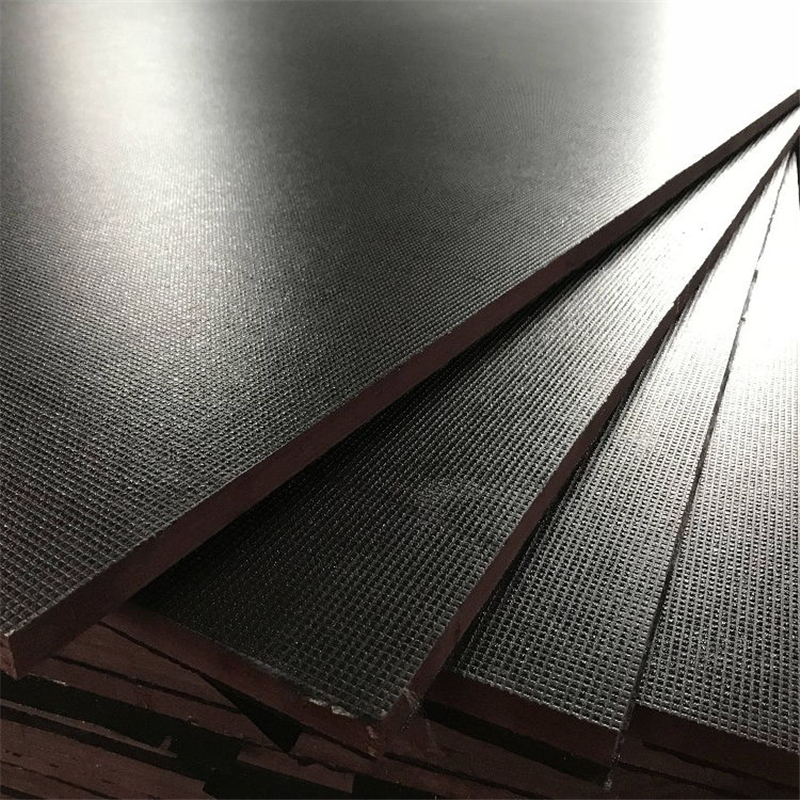
In recent years, the demand for eco-friendly and aesthetically pleasing flooring solutions has surged, with homeowners and designers alike seeking materials that combine durability, beauty, and environmental responsibility. Natural wood flooring has emerged as a premier choice, offering timeless elegance and sustainability. This news report delves into the rising popularity of natural wood floors, explores their benefits, and highlights how companies in the industry are leading the way toward greener living spaces.
**The Timeless Appeal of Natural Wood Flooring**
Natural wood floors are renowned for their warm, inviting appearance that enhances the ambiance of any room. Unlike synthetic alternatives, wood flooring provides a unique texture and grain pattern, ensuring that no two floors are exactly alike. This uniqueness adds character to residential and commercial interiors alike.
Moreover, wood flooring tends to improve over time. As it ages, it develops a natural patina, deepening its color and enhancing its charm. This makes natural wood a long-lasting investment that adds value to properties.
**Eco-Friendly and Sustainable**
One of the most compelling reasons for the shift toward natural wood floors is their environmental benefits. Sustainable forestry practices ensure that the wood is harvested responsibly, minimizing ecological impact. Many companies source their materials from certified forests that adhere to strict environmental guidelines, promoting the regeneration and biodiversity of these areas.
Additionally, wood is a renewable resource, unlike many synthetic flooring materials that rely on petrochemicals. Wood flooring is biodegradable and can be recycled or repurposed at the end of its life cycle, reducing landfill waste.
The production process for wood floors generally consumes less energy compared to vinyl, laminate, or carpet manufacturing. Some companies integrate environmentally friendly adhesives and finishes, further reducing their ecological footprint.
**Health Benefits for Indoor Environments**
Natural wood floors contribute to healthier indoor air quality. Unlike carpets, which can trap dust, allergens, and pet dander, wood floors are easier to clean and do not harbor such particles. This makes natural wood an excellent option for allergy sufferers or households with pets.
Furthermore, wood flooring does not emit volatile organic compounds (VOCs) when properly treated with non-toxic finishes. This enhances the comfort of living spaces and aligns with stricter indoor air quality standards.
**Innovation and Industry Leadership**
Leading companies in the natural wood floor industry have focused on innovation to meet modern consumer demands. Product lines have expanded to include a variety of wood species, finishes, and plank sizes, allowing for customization tailored to different design styles—from rustic farmhouse to sleek contemporary.
Advanced surface treatments enhance durability and resistance to scratches, moisture, and wear, making wood floors suitable for high-traffic areas. Some manufacturers have developed click-lock installation systems, simplifying the DIY process and reducing installation time.
Moreover, many companies emphasize their corporate social responsibility, incorporating sustainable supply chains, ethical labor practices, and transparent sourcing. Customer education plays a vital role, with brands providing guidance on proper maintenance to extend the floor’s lifespan and preserve its natural beauty.
**Company Spotlight: Commitment to Quality and Sustainability**
{} has established itself as a pioneer in the natural wood flooring sector, recognized for quality craftsmanship and ecological stewardship. Since its inception, the company has prioritized the use of sustainably harvested wood and green manufacturing processes, ensuring minimal environmental impact.
Its product range showcases a variety of exotic and domestic wood species, each meticulously selected for durability and aesthetic appeal. The company employs cutting-edge finishing technologies that enhance the wood’s natural grain while providing lasting protection against daily wear.
Beyond product excellence, {} invests in community initiatives aimed at reforestation and environmental conservation. It actively partners with forest management organizations to support sustainable timber harvesting practices.
With an emphasis on customer satisfaction, the company offers comprehensive after-sales services including maintenance advice, refinishing, and repair solutions. This holistic approach strengthens customer trust and loyalty.
**Market Trends and Consumer Preferences**
Market research indicates a growing preference among consumers for flooring options that contribute to a sustainable lifestyle without compromising style or performance. Post-pandemic, many homeowners are prioritizing durable and easy-to-clean materials, further boosting natural wood floor demand.
Design trends favor warm, earthy tones and natural materials, with wood flooring perfectly fitting this aesthetic. Additionally, the integration of smart home technology has spurred innovations in flooring products, such as antimicrobial finishes and enhanced moisture resistance—features that natural wood floors are increasingly incorporating.
**Conclusion**
Natural wood flooring represents an ideal blend of beauty, durability, and sustainability. Amid rising environmental awareness and evolving design preferences, it stands as a trusted solution for modern interiors. Companies like {} exemplify the industry’s commitment to responsible sourcing, innovative craftsmanship, and customer-centric service.
As consumers continue to seek products that reflect their values and style, natural wood floors are poised to remain at the forefront of interior design choices—delivering both the warmth of nature and a step toward greener living spaces.